
Concert Program
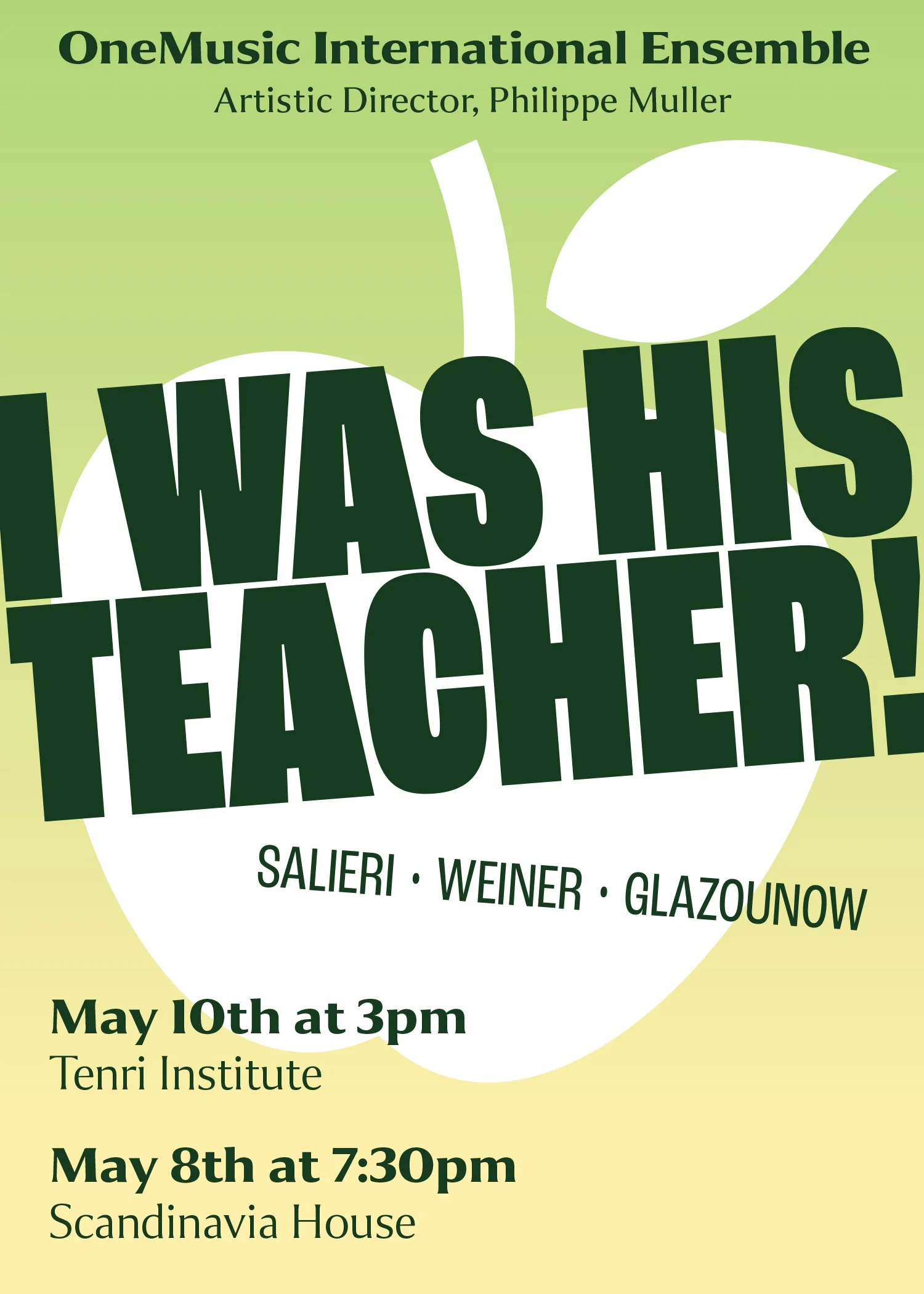
OneMusic International Ensemble
I Was His Teacher
May 8 & 10, 2026
Yibin Li, Leerone Hakami - violins
Daniel Panner - viola
Philippe Muller - cello
Samuel Adams - reading
Fugue for String Quartet
Antonio Salieri (1750-1825)
String Trio in G Minor, Op. 6
Leo Weiner (1885-1960)
I. Allegro con brio
II. Vivace
III. Andantino
IV. Allegro con fuoco
Intermission
String Quartet in D Minor Op.70
Alexandre Glazounow (1865-1936)
I. Andante
II. Allegretto
III. Adagio con licenza
IV. Allegro
The Artists

Yibin Li
Yibin Li was born in Jiuquan, China, a small city near the Gobi Desert. When she was just 4 1/2, she began playing the violin under the guidance of her father. Just 7 years later, she left home to study at Xi’an Conservatory, where she remained until moving on to Shanghai Conservatory. Upon her graduation, she was appointed to the violin faculty, and taught in Shanghai for six years as a young member of the tenured faculty. At 25, she felt the need to continue her studies in the US and moved to New York, where she went on to earn two additional graduate degrees at The Juilliard School and Mannes School of Music. Her teachers have included Lewis Kaplan, Seymour Lipkin, Earl Carlyss, Peiwen Yuan and Xiaolong Liu.
Ms. Li has performed as a soloist with major symphonies in China and the US, including the Beijing National Symphony Orchestra, Shanghai Symphony Orchestra, Taipei Symphony Orchestra, Gaoxiong Symphony Orchestra, San Diego Symphony, Hunter Symphony and Syracuse Symphony Orchestra. She was the first violinist and founder of the Iris String Quartet, and the founder of French-American Ensemble, and has directed and played chamber music concerts in many New York City venues including Carnegie Hall, Alice Tully Hall, Merkin Hall and Scandinavia House. In China, she traveled to over 20 cities performing both solo and chamber concerts in major performing arts centers.
Ms. Li performs and teaches regularly at summer music festivals including the Bowdoin International Music Festival and Bach Virtuoso Festival in Maine., MusicAlp International Academe, LaSalle Music Festival in France, Sesto Rocchi Chamber Music Festival in Italy and the Lake Lugano Chamber Music Festival in Switzerland.
Yibin Li is currently on the faculties of Mannes School of Music and The Juilliard School Pre-College Division, and is a visiting professor in China at the Xi’an Conservatory of Music and Beijing Central University for Normal Studies.
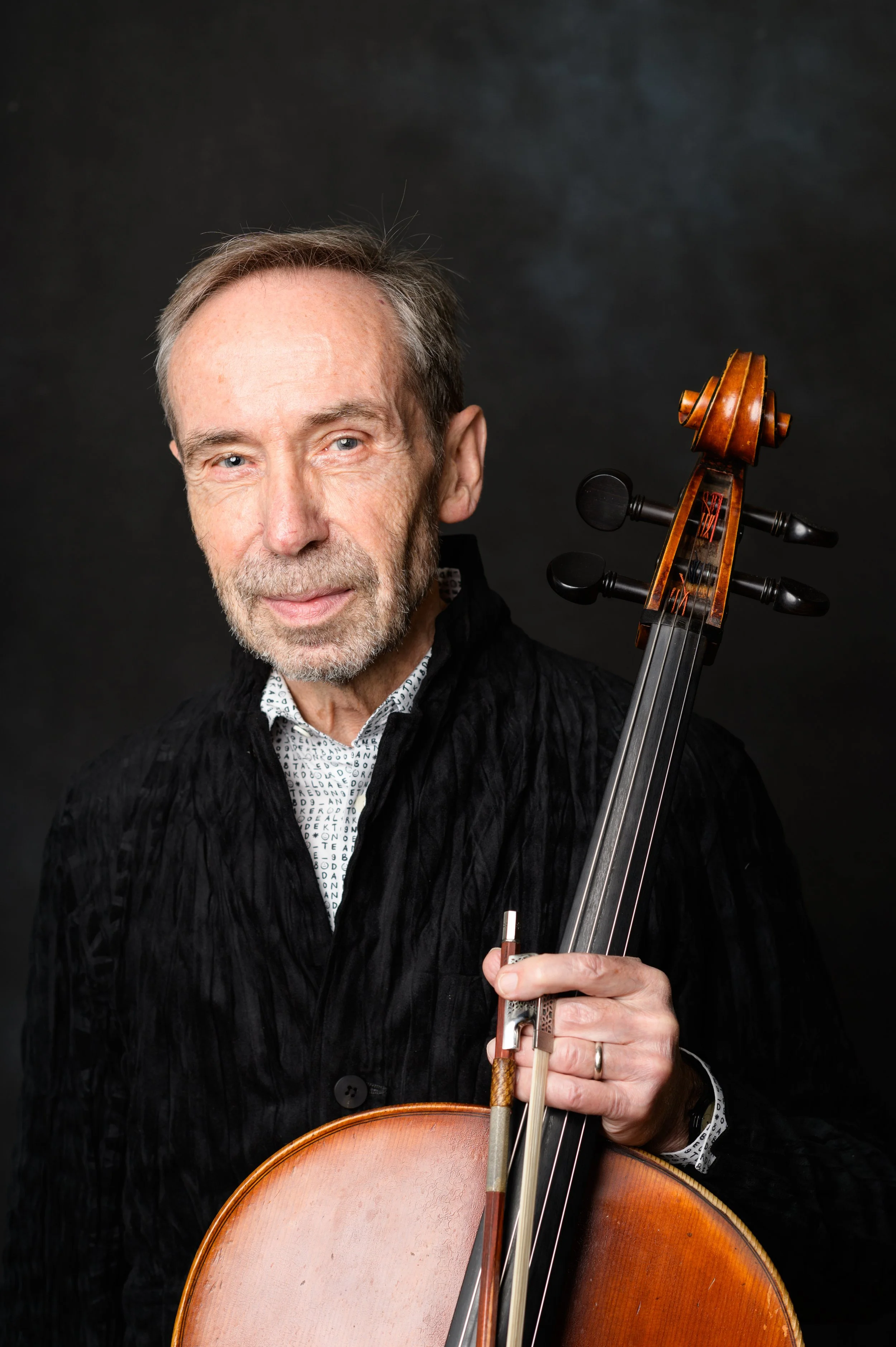
Philippe Muller
Born in Alsace, Philippe Muller was raised in both the French and German musical traditions that characterize that province. His early experiences opened his mind to varying cultures and lead him to a multi-faceted career. He performs and has recorded a wide range of repertoire, from the Bach Suites, through the music of living composers.
In 1970, Mr. Muller founded a Piano Trio with pianist Jacques Rouvier and Jean- Jacques Kantorow, violin, which was widely known to be one of Europe’s most venerated chamber music ensembles. He worked closely with Pierre Boulez’ Ensemble Intercontemporain, for seven years, giving him an understanding of and an affinity for the music of our time. He continues to be active in commissioning new cello works and premiers of new music and performs frequently as soloist and in various chamber music ensembles at festivals in Europe, the United States, Canada, Latin America, Japan, Korea, Australia and New Zealand.
Philippe Muller’s teaching career is legendary. He succeeded his mentor André Navarra as cello teacher at the Conservatoire de Paris in 1979, continues his teaching legacy today here in New York, at the Manhattan School of Music. Many cellists from his studio have gone on to major careers as soloists including Xavier Phillips and Gautier Capuçon. He travels often giving master-classes in the top conservatories across the globe and has spent twenty years teaching at the Academy of French Music in Kyoto, Japan.
Philippe Muller frequently serves on the juries of the major international cello competitions such as the Tchaikovsky in Moscow, Paulo in Helsinki and Rostropovitch in Paris.
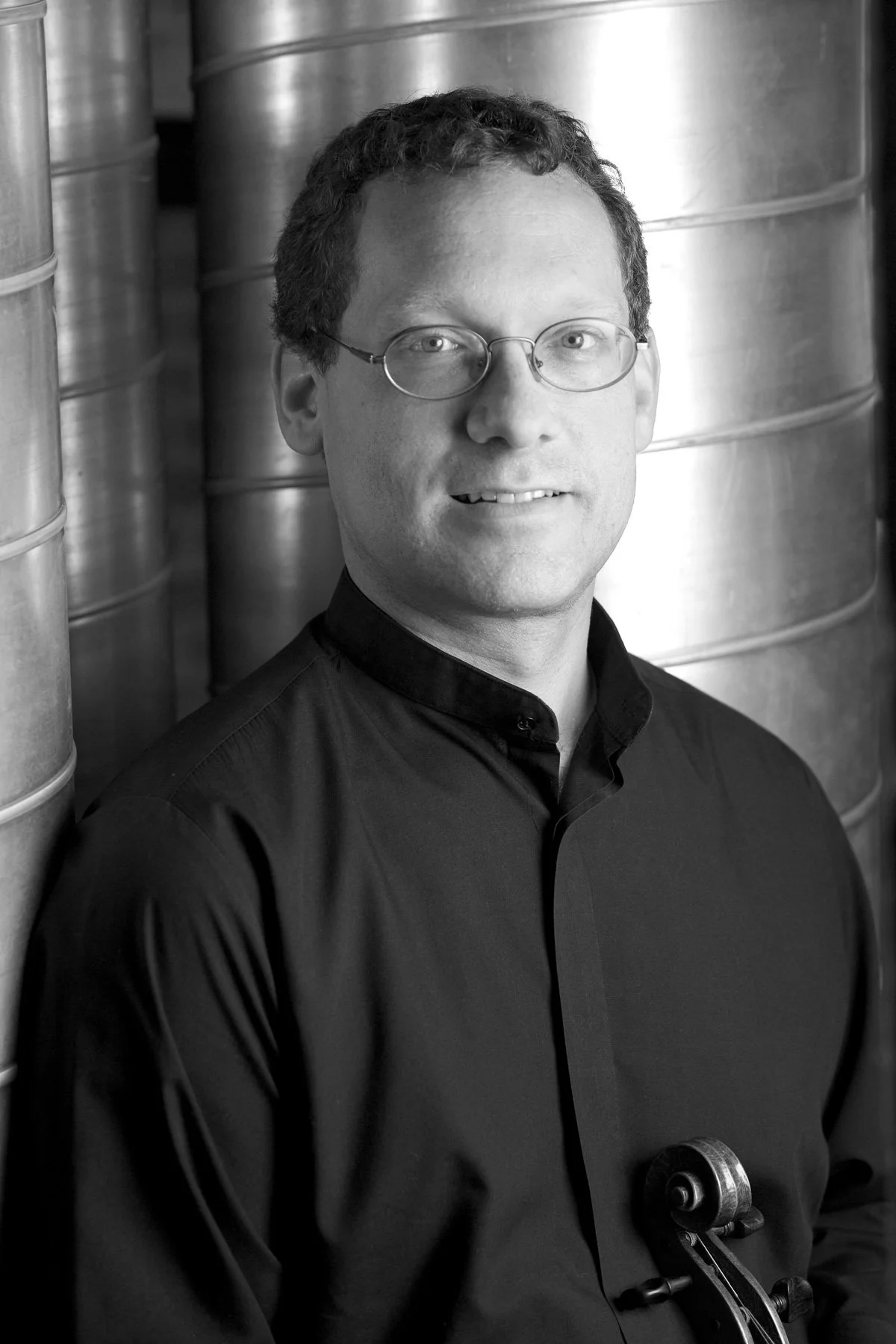
Daniel-Panner
Daniel Panner enjoys a varied career as a performer and teacher. As violist of the Mendelssohn String Quartet, he concertized extensively throughout the United States and Israel. He has performed at numerous music festivals, including Marlboro, Ravinia, Tanglewood and Aspen, and he has collaborated with members of the Cleveland, Emerson, Guarneri and Juilliard String Quartets. As a member of the Whitman String Quartet, Mr. Panner received the 1998 Walter W. Naumburg Chamber Music Award and served as a teaching assistant to the Juilliard String Quartet for two years.
Mr. Panner is co-chair of the string department of the Mannes College of Music, where he also teaches viola and chamber music. He has also taught at the Juilliard School, Rutgers University, SUNY Stonybrook, Queens College, and the Jerusalem Music Center Summer Courses, and he has given master classes at such schools as Peabody, Hartt and the North Carolina School of the Arts. He has performed with the Chamber Music Society of Lincoln Center, the Metropolitan Opera Orchestra, the New York Philharmonic, and the Orchestra of St. Lukes; he has also toured with Musicians from Marlboro and the Orpheus Chamber Orchestra. As a guest artist, he has performed with the Juilliard String Quartet, the St. Lawrence String Quartet, the Daedelus String Quartet, the Flux String Quartet and the Moscow Conservatory Trio. Mr. Panner has been heard on National Public Radio's "Performance Today," both as a soloist and chamber musician. He has served as the principal violist of such orchestras as the New York City Opera and the Mostly Mozart Festival Orchestra. An active performer of new music, he is a member of Sequitur and the Locrian Ensemble and has performed as guest with such new-music groups as Speculum Musicae, the Da Capo Chamber Players, and Transit Circle; he has recorded solo viola works by Thea Musgrave and Victoria Bond, both for Albany Records. Mr. Panner studied with Jesse Levine at Yale University, where he earned a bachelor's degree in history. He continued his studies at the Curtis Institute of Music with Joseph dePasquale and the Juilliard School with Samuel Rhodes.
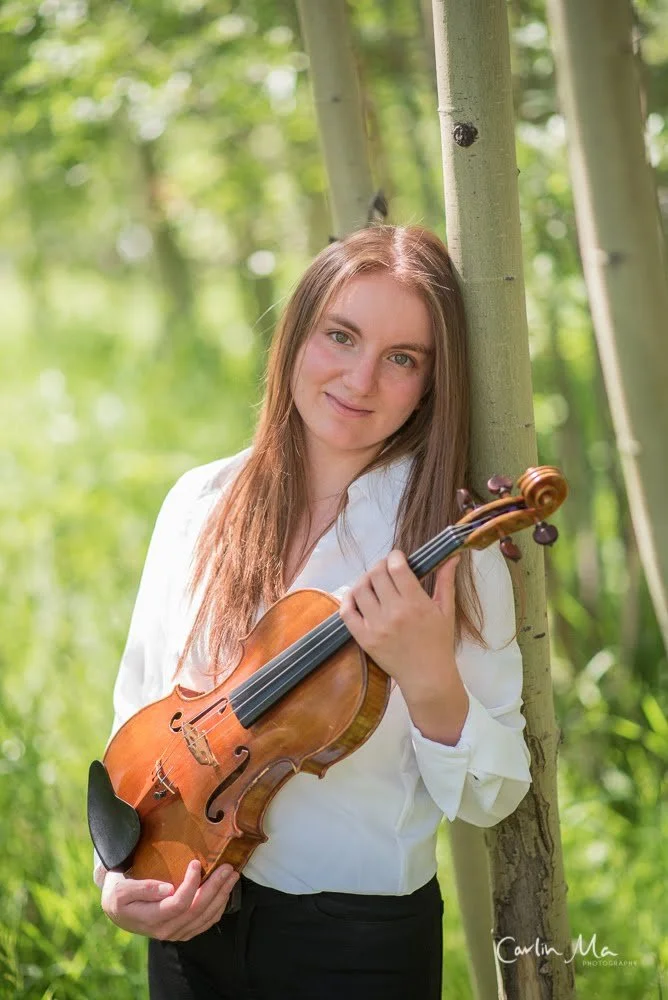
Leerone Hakami
Leerone Hakami is an Israeli-American violinist whose performances have taken her to concert halls and festivals across North America, Europe, and Israel. She earned both her Bachelor’s and Master’s degrees in violin performance from The Juilliard School, studying with renowned pedagogue Lewis Kaplan. While at Juilliard, she served as a Morse Teaching Fellow in the Pre-College Division and was awarded an Entrepreneurial Grant to lead a summer music workshop on the Navajo Reservation in New Mexico.
Leerone has appeared as a soloist with the New York Concerti Sinfonietta at Carnegie Hall’s Weill Recital Hall and with the Vermont Mozart Festival Orchestra. As an active chamber musician, she has performed at Alice Tully Hall in Lincoln Center. She is the Grand Prize winner of the Artists International Competition and was recently featured on New York’s classical music radio as a First Prize winner of the Prix Ravel.
In addition to her performing career, Leerone is the co-founder of West Amadeus Music Studio, a leading provider of private music instruction in New York City. She also performs regularly with Concerts in Motion, sharing live classical music with audiences who would otherwise be unable to attend concerts.
Leerone frequently collaborates with her husband, pianist Shay
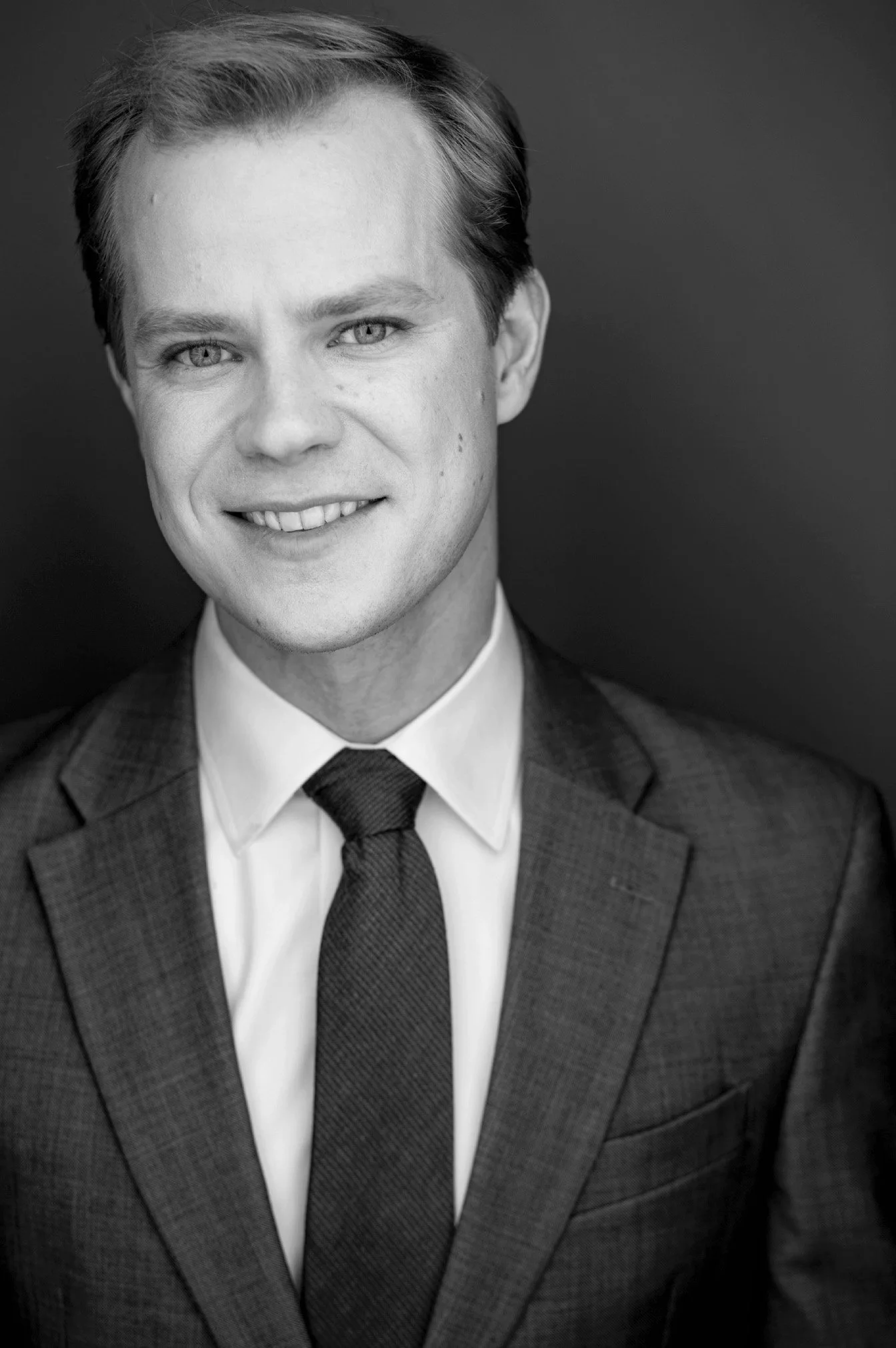
Samuel Adams
Samuel Adams is an NYC-based actor, director, and educator. Although a third-generation native of New York City, Sam was raised in a small farm-town upstate. He received his undergraduate education from the London Dramatic Academy and Adelphi University and his graduate degree from the George Washington University in collaboration with the Shakespeare Theater Company. He has worked as a director and an actor in films, television, and theaters across the nation, recently playing Mozart in Peter Schaffer’s celebrated play Amadeus at Folger Shakespeare Theatre and the titular character in Shakespeare's Henry V in at the Chesapeake Shakespeare Company. In addition to these pursuits, he has worked extensively as a teacher, arts-administrator, and gardener. Visit him on Youtube and Instagram at @TheUnweededGarden.
Program Notes
Readings:
Albert Camus -Letter to a Teacher
Dear Monsieur Germain,
I let the commotion around me these days subside a bit before speaking to you from the bottom
of my heart. I have just been given far too great an honor, one I neither sought nor solicited. But
when I heard the news, my first thought, after my mother, was of you. Without you, without the
affectionate hand you extended to the small poor child that I was, without your teaching and
example, none of all this would have happened.
I don’t make too much of this sort of honor. But at least it gives me the opportunity to tell you
what you have been and still are for me, and to assure you that your efforts, your work, and the
generous heart you put into it still live in one of your little schoolboys who, despite the years,
has never stopped being your gratefulpupil. I embrace you with all my heart.
Kahlil Gibran - On Teaching
Then said a teacher,
Speak to us of Teaching.
And he said:
No man can reveal to you aught but that which already lies half asleep in the dawning of your
knowledge.
The teacher who walks in the shadow of the temple, among his followers, gives not of his
wisdom but rather of his faith and his lovingness.
If he is indeed wise he does not bid you enter the house of his wisdom, but rather leads you
to the threshold of your own mind.
The astronomer may speak to you of his understanding of space, but he cannot give you his
understanding.
The musician may sing to you of the rhythm which is in all space, but he cannot give you the
ear which arrests the rhythm nor the voice that echoes it.
And he who is versed in the science of numbers can tell of the regions of weight and
measure, but he cannot conduct you thither.
For the vision of one man lends not its wings to another man.
And even as each one of you stands alone in God’s knowledge, so must each one of you be
alone in his knowledge of God and in his understanding of the earth.
Helen Keller - The Story of My Life
“It was my teacher's genius, her quick sympathy, her loving tact which made the first years of
my education so beautiful. It was because she seized the right moment to impart knowledge
that made it so pleasant and acceptable to me. She realized that a child's mind is like a shallow
brook which ripples and dances merrily over the stony course of its education and reflects here
a flower, there a bush, yonder a fleecy cloud; and she attempted to guide my mind on its way,
Antonio Salieri (1750-1825), Fugue for String Quartet
One of the most successful European composers of the late 18th century, Antonio Salieri was active in all spheres of musical life but was known, above all, as an opera composer. Salieri went to Vienna as a teenager in 1766. He found success there, eventually rising to the post of Imperial Court Composer at the Habsburg court in Vienna, which he held from 1788 until his retirement in 1824. In that capacity, he was responsible for sacred music and secular music at court, as well as for opera; he composed over 40 works for the stage between 1768 and 1804. He was also crucial in promoting the works of other composers; favorites included contemporaries such as Joseph and Michael Haydn and Wolfgang Amadeus Mozart (in whose death he played no part, though the story made good dramatic fodder for Peter Shaffer's Amadeus) as well as younger composers such as his pupils Beethoven and Schubert.
Leó Weiner (1885-1960), String Trio in G Minor, Op. 6
Leó Weiner was a prominent Hungarian composer and music educator based in Budapest. Trained at the Budapest Academy of Music under János Koessler, he won multiple prestigious prizes as a student.
He spent his career at the same Academy, rising from theory teacher to professor of chamber music, and taught there until his death. His students included some of the 20th century's most celebrated musicians — conductors Georg Solti and Antal Doráti, cellist János Starker, and others.
As a composer, Weiner drew primarily on early Romantic influences (Beethoven, Mendelssohn) with orchestration reminiscent of French Romantics like Bizet. He later incorporated Hungarian folk music elements into his work, though more casually than contemporaries Bartók and Kodály. His output included string quartets, violin sonatas, orchestral divertimenti, and chamber pieces.
The String Trio dates from 1908 and was almost immediately regarded as a masterpiece. The famed chamber music scholar and critic Wilhelm Altmann has this to say about it in his Handbuch für Streichquartettspieler:
Weiner's String Trio is composed in a clear and logical fashion, avoiding the pitfalls of diffuseness. It sounds good and is full of captivating melodies. The first movement, Allegro con brio, is attractive throughout. The rhythmically interesting Vivace (a scherzo) that follows is both very lively and gay, while the middle section features exotic harmonies. The third movement, Andantino, is a theme and excellent set of variations. The exciting finale, Allegro con fuoco, is a mix of elan and gaiety.
Alexandre Glazounow (1865-1936), String Quartet in D Minor Op.70
Born: 1865, St. Petersburg, RussiaDied: 1936, Paris, France, Alexander Glazunov was a late Russian Romantic composer, conductor, and teacher. He led the Saint Petersburg Conservatory from 1905 to 1928, overseeing its transformation through the post-revolutionary renaming to the Petrograd, then Leningrad Conservatory. His most famous student during the early Soviet era was Dmitri Shostakovich. Musically, Glazunov bridged Russian nationalism and cosmopolitanism, blending Balakirev's nationalist tradition with Borodin's epic scale, Rimsky-Korsakov's orchestral color, Tchaikovsky's lyricism, and Taneyev's counterpoint. Glazunov showed paternal concern for needy students, such as Dmitri Shostakovich and Nathan Milstein. He also personally examined hundreds of students at the end of each academic year, writing brief comments on each.
“I strive with all my strength to orchestrate my works in such a way that the orchestration will be unnoticed as such, but, sounding forth like an ideal piano under the hands of an ideal pianist, would make my compositional ideas ideally clear. In that sense, I am a classicist.”
Although a comparatively late starter by prodigy standards – beginning piano lessons at age 9 and composition at 11 – Glazunov advanced rapidly under the private instruction of Rimsky-Korsakov. Glazunov was 16 when his Symphony No. 1 had its successful premiere, with his first string quartet following a few months later. He eventually completed eight symphonies, seven string quartets, several popular concertos and ballets, and a host of other works in every genre, from solo songs to preludes and fugues for organ. The Fifth quartet - a piece more akin to Brahms and Schubert than to any of the Russians–is lovely as well, with a superb ensemble balance.
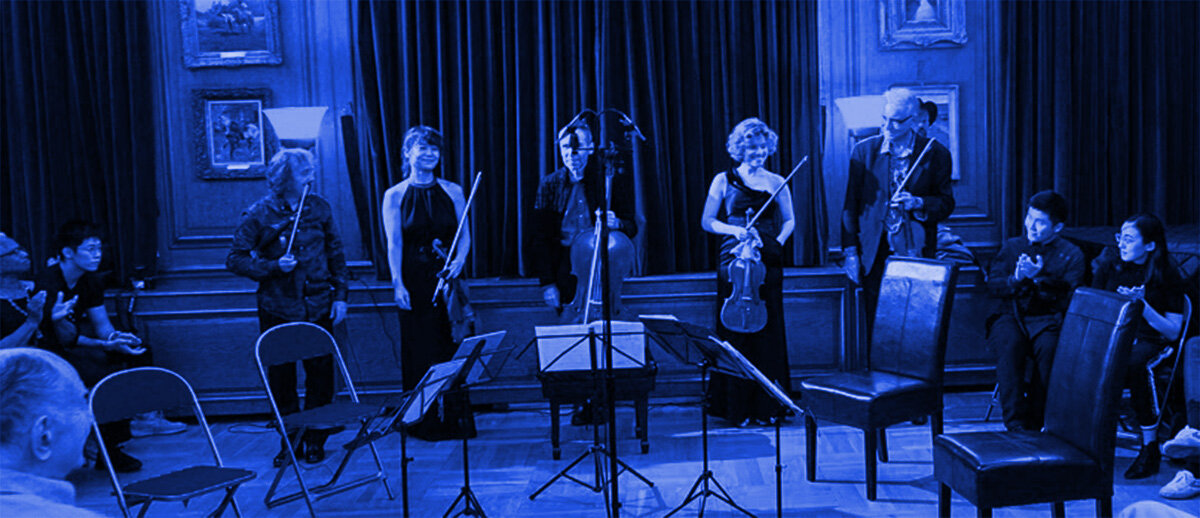
We need your help
Your contributions are essential to our mission of reaching more people with the extraordinary experience of live chamber music.
Thank you for making it happen.
OneMusic Project acknowledges the generous support of the following individuals for their time, gifts, and financial support. With their help, we are able to realize our mission of bringing great artists from Europe and the USA together to perform in our community.
Please join our partnership today by giving to OneMusic Project today!
OneMusic Project is grateful for support from
James & Susan Aisenberg
Veronique Brossier
Chu Family Foundation
Dan Kainen & Karen Dorst
Robert & Nina Kaufelt
Loube-Li Family
Philippe Muller
Alexander Ommaya
The Morris and Alma Schapiro Fund
Robert Spitzer
Richard Holley
Susanne & Frank Hugus
Wei Family
Joseph Towbin
Individual Contributors
Brian Loube
Ellen Oppenheim
Betsy Mulberry
Zoe Lo
Liza Loube
Ben Young
Eric Sandell
Jeff Vock